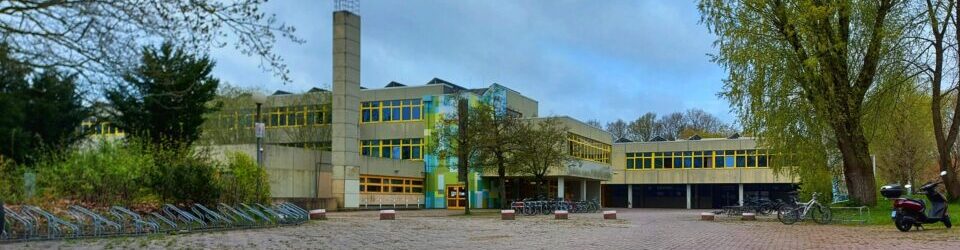
Erasmus+ and DGJW exchange with the 3rd Junior High School of Zografou, Athens
Our Erasmus+ trip to Athens was an exciting and unforgettable experience for us. Together with our advanced art class, we spent a week in February 2026 getting to know Greek culture, history and everyday life first-hand. Right from the very first day, we were struck by the city’s unique atmosphere. During our walk through Plaka and the small neighbourhood of Anafiotika, with its narrow alleyways and white houses, we felt as though we were stepping into another world. The view of the city and the historic buildings was simply breathtaking.
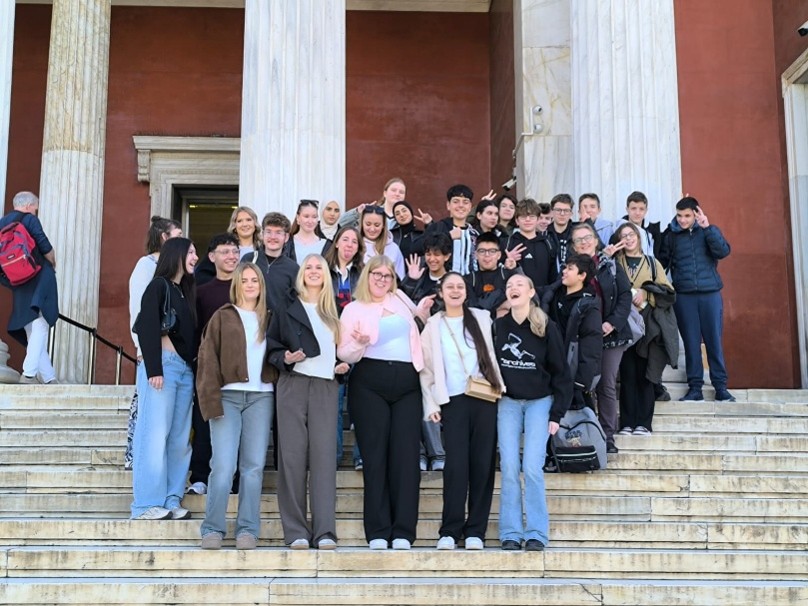
During the week, we visited various museums where we learnt a great deal about Greek myths, art and traditions. We found the workshop at the Children’s Art Museum particularly exciting, as it gave us the chance to get creative ourselves. Following in the footsteps of Pablo Picasso, we created self-portraits. The National Gallery also showed us just how diverse art can be and how history and culture come to life through it. We noticed that the Greek pupils engage very deeply with their culture and look back with great pride on Greece’s long and glorious history.
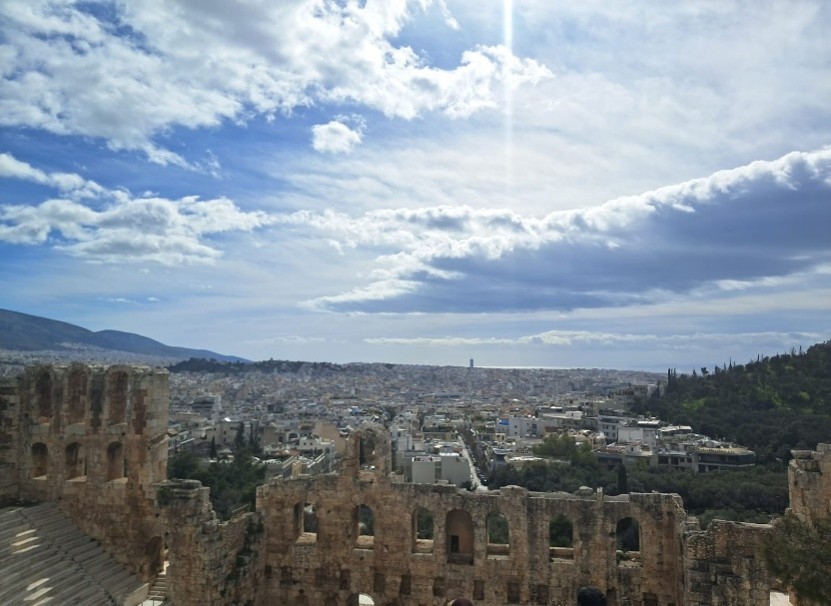
A real highlight was our visit to the Acropolis and the Acropolis Museum. It was something special to finally see the famous monuments with our own eyes. We could have spent much more time there, because the theoretical basics – which are usually rather dry in lessons – suddenly became much more tangible and impressive to us. At the Museum of Folk Art, we then worked together with Greek school pupils. We chatted in English and learnt more about our different, yet similar, traditions. The Greek pupils speak excellent English; many of them take private tuition after school. They want to work in the tourism sector later on or are considering emigrating from Greece. The economic situation makes life in Athens expensive; in the countryside, it’s even harder.
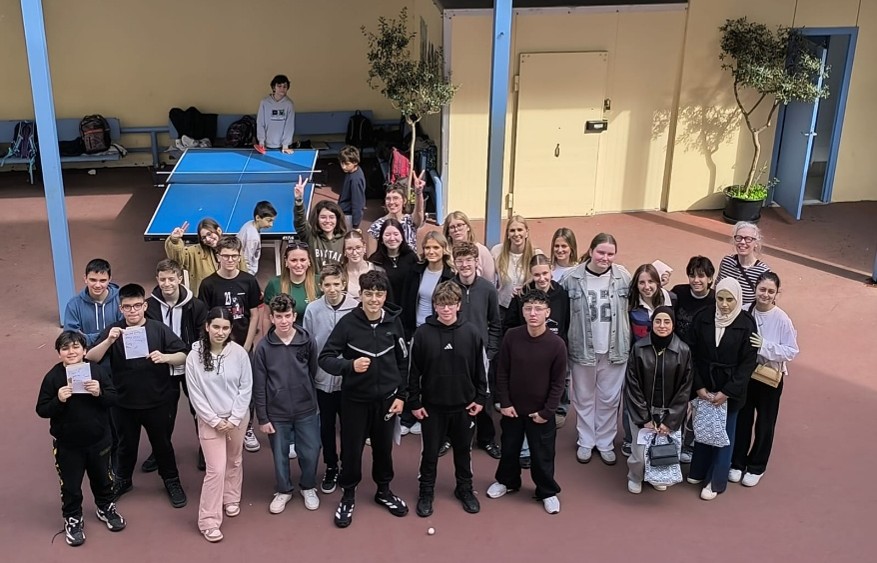
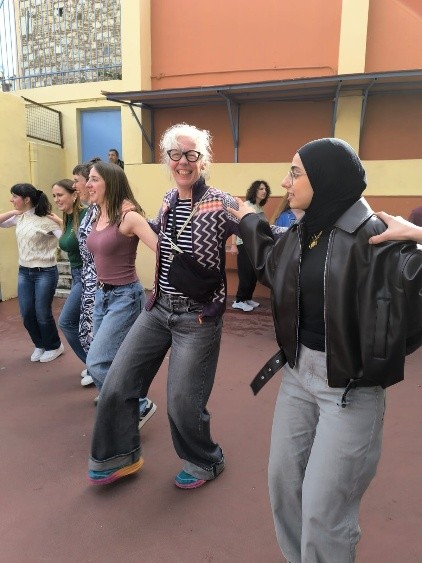
Every day we also visited our host school – sometimes for language activities organised by the German-Greek Youth Organisation (DGJW), and sometimes to take part in the carnival celebrations. On this day, it is customary for pupils and teachers to come to school in fancy dress. We were invited to join in the Greek circle dances and, as always, there was plenty of food. On Friday, we took part in an art lesson and were allowed to try out the indigo printing technique for ourselves. It was interesting to see what everyday school life is like in Greece. We had lots of lovely conversations, some even in German, because many people in Greece choose German as a second foreign language and wanted to practise with us.
As well as the programme, we had time to explore Athens itself, try even more Greek food and enjoy the city together. The trip showed us just how enriching it is to get to know other cultures and meet new people. We’ll certainly remember the many wonderful impressions and experiences from Athens for a long time to come – though we won’t miss the neighbourhood where our hotel was. Nothing happened to us, we were never in any danger, but it felt eerie and sometimes even unpleasant to see so many drug addicts on the streets. We felt sorry for them but couldn’t help. As a tourist, you certainly wouldn’t have seen this side of Athens. We’d like to thank Erasmus+ and the German-Greek Youth Organisation for making the exchange and these wonderful experiences possible through their financial support.
DGJW-sponsored return visit by the school pupils from Athens to Bremerhaven
Having completed our Erasmus+ trip to Athens in February 2026, we were delighted to welcome our partner pupils from Athens to Bremerhaven as early as March 2026. Their trip and the programme during their stay were funded by the German-Greek Youth Organisation. We were looking forward to seeing our partner pupils again and showing them our town and what everyday school life is like here. Right from the first evening, the atmosphere was open and familiar again, as if we’d only said goodbye in Athens yesterday. During our joint city tour and the dinner that followed at the Burger Bar, interesting conversations quickly sprang up and we had a good laugh together.
On the second day, we travelled to Bremen together. During a ‘selfie’ city tour, we discovered well-known landmarks such as the Bremen Town Musicians, which were also incorporated into the language activity. At first, we felt a bit embarrassed about meowing and barking, but when the teachers got fully involved, we had no choice but to join in the fun. We don’t actually visit Bremen that often ourselves, so it was lovely to explore the region together. We then showed our guests the Kunsthalle, which we know very well since our exhibition there. We looked at just a few, but really interesting, works of art and, just as we had done in Athens, took part in a workshop together. This time, the task was to depict the Bremen Town Musicians individually and in groups.
We drew our favourite animals using oil pastels and stacked them on top of one another. At first, the task seemed a bit awkward, but when the varied pictures were laid out side by side, it all made sense.
We also particularly enjoyed spending the day together at our school. After the welcome, we worked together in a workshop on the theme of ‘Fairy tales and legends in a modern interpretation’. This gave us the chance to get creative in our art room and learn a lot from one another. We then invited our guests to the canteen and the German Emigration Centre. We’d booked a special workshop for them, after which they were unfortunately not allowed to view the entire exhibition on migration. Nevertheless, we noticed that the themes of openness and mutual understanding had been approached in a completely different way by the pupils. During the digital city scavenger hunt that followed, all the participants seemed pensive and were more interested in the people on the streets than in the sights.
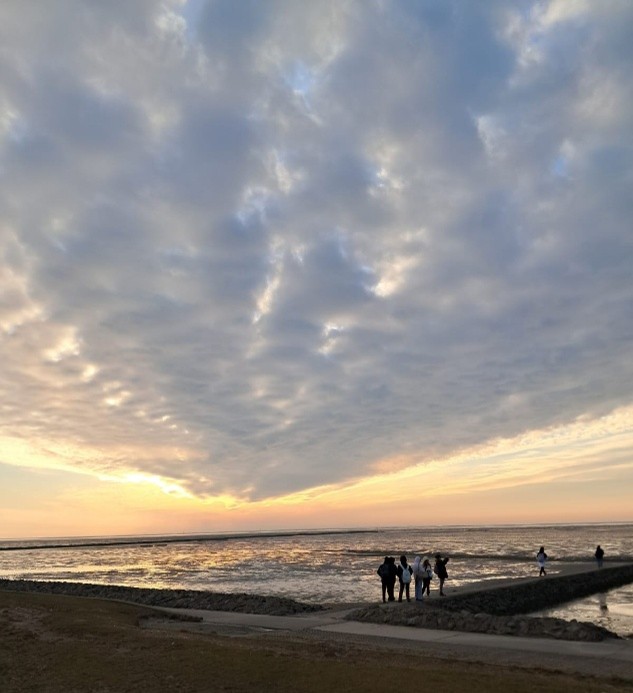
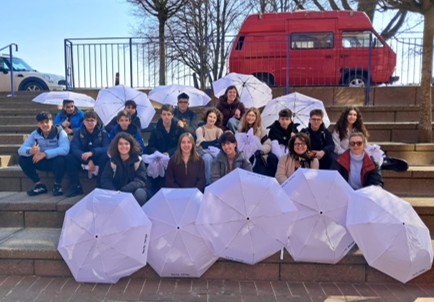
The next day, we made sure all our guests’ wishes were fulfilled. First, at the pupils’ express request, they visited the seaside zoo and were given an in-depth look behind the scenes. Afterwards, as one of the Greek teachers had grown up in Germany, we drove to the North Sea coast and took part in a mudflat walk with Mr Siebs, even though it was actually far too cold for it. For our guests, the Wadden Sea was something completely new, and it was great fun to give them this special experience. Over our farewell dinner together, we looked back on the eventful week and realised: it’s really exciting to see our own home through the eyes of our guests. We said our goodbyes on very friendly terms and surprised the visitors from Athens with a CvO umbrella as a memento of our time together – come rain or shine. It’s a shame we can’t see each other again straight away in April. But we’ll stay in touch!
Our heartfelt thanks go to Erasmus+ and the DGJW, as well as to our teachers from Bremerhaven and Athens, who not only supervised the weeks but, through their preparation and follow-up work, made the financial support – and thus our exchange experience – possible.