Category Archives: Democratic school

SVeN 2025

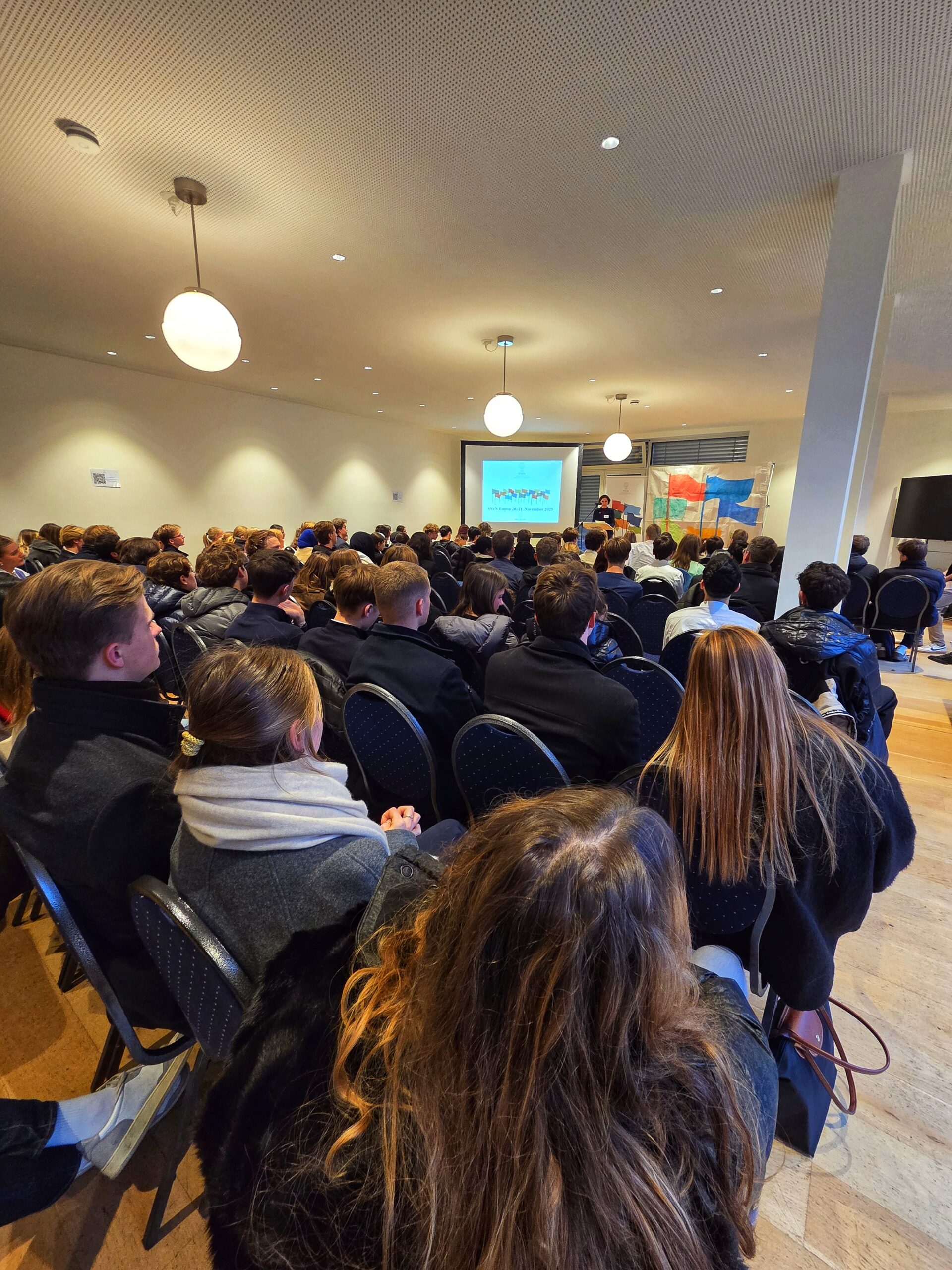
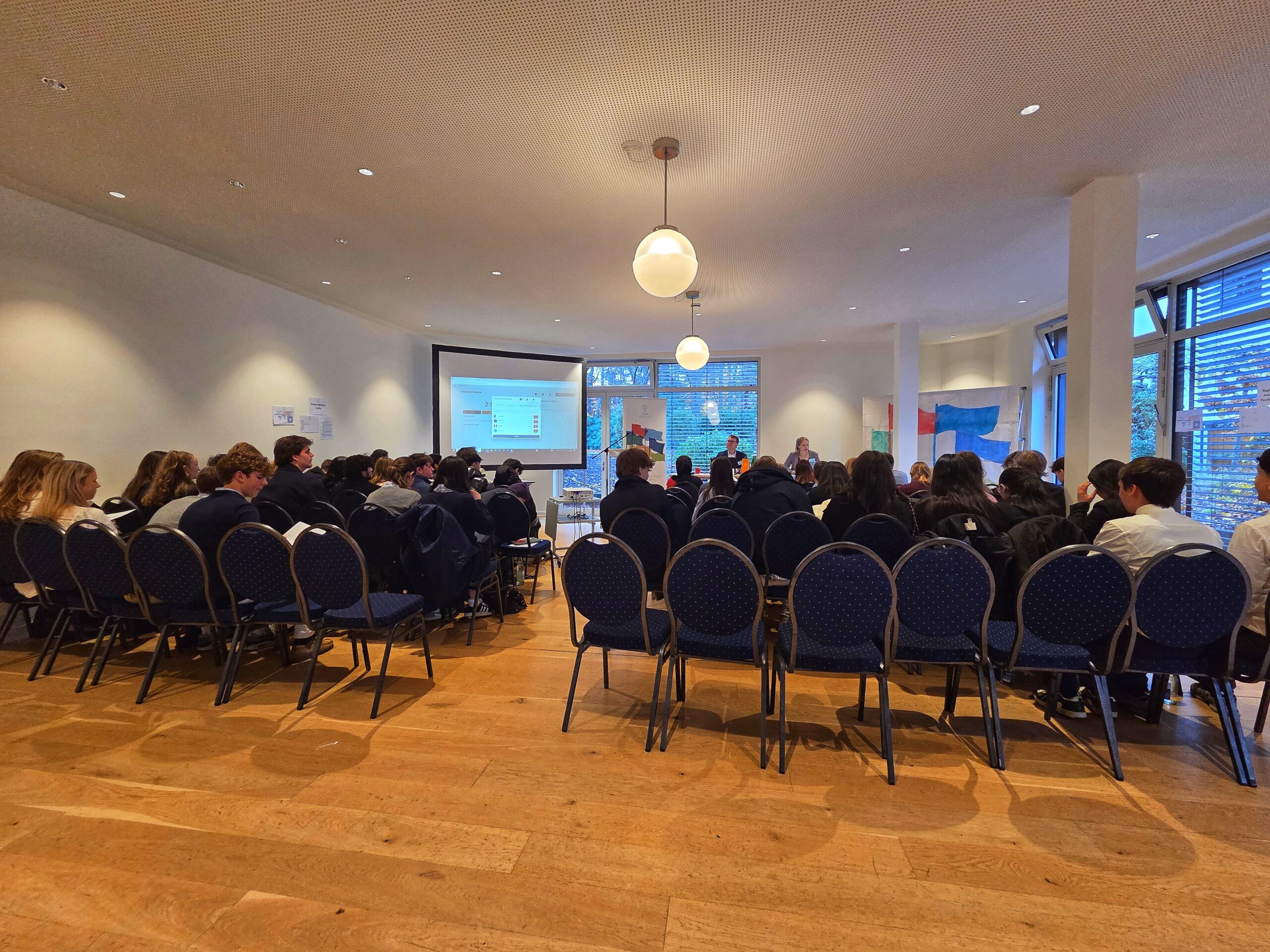
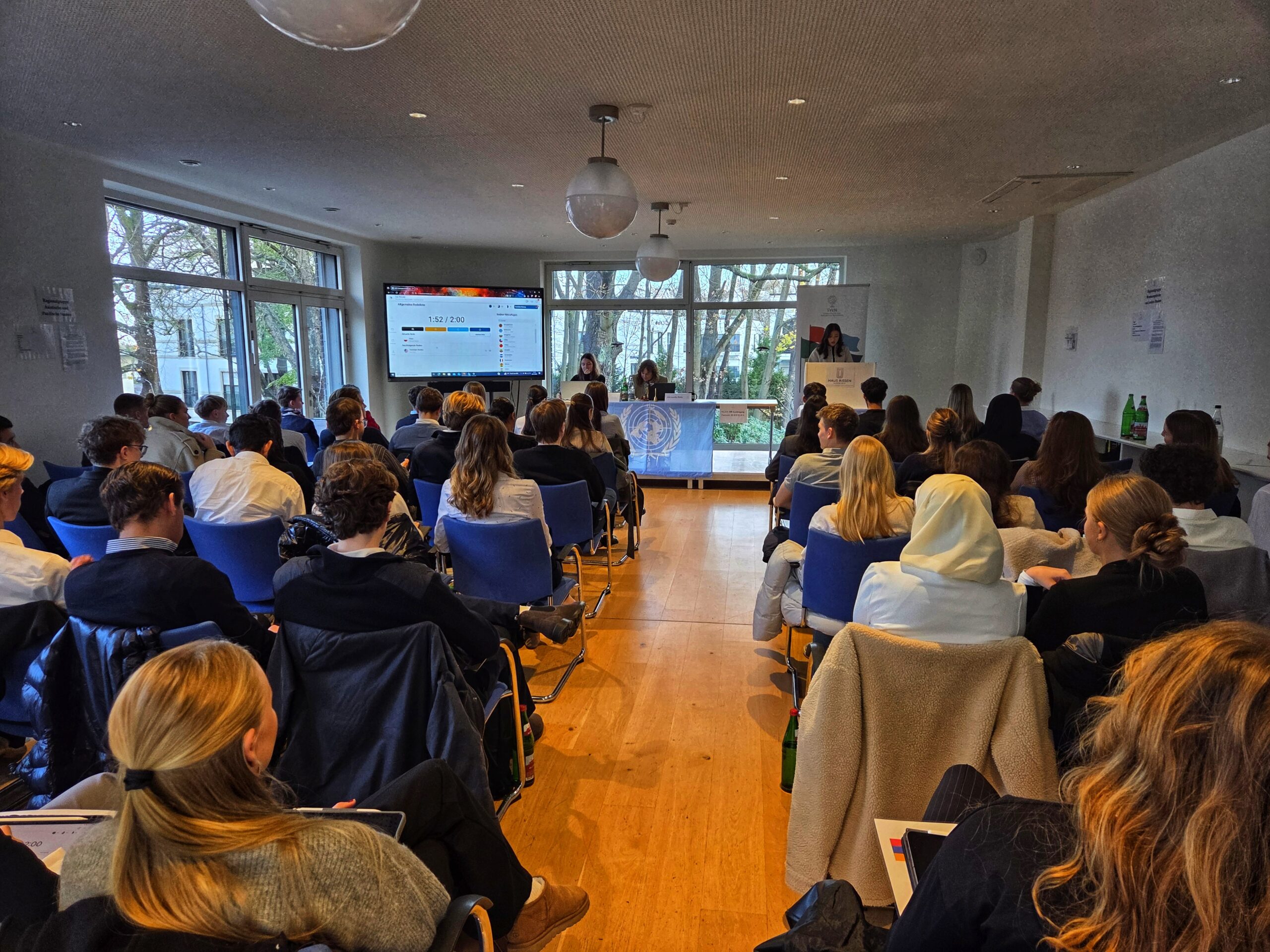
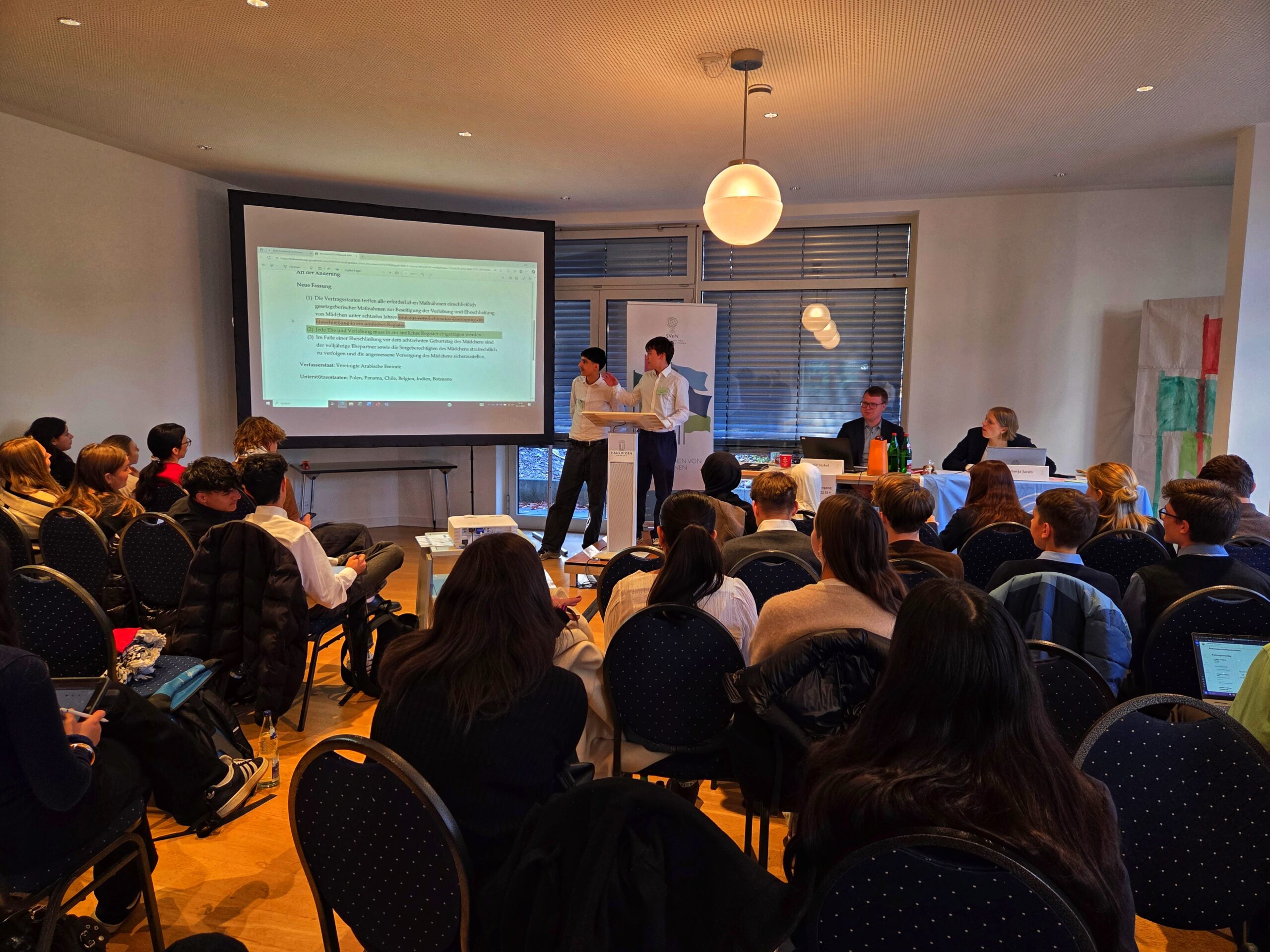
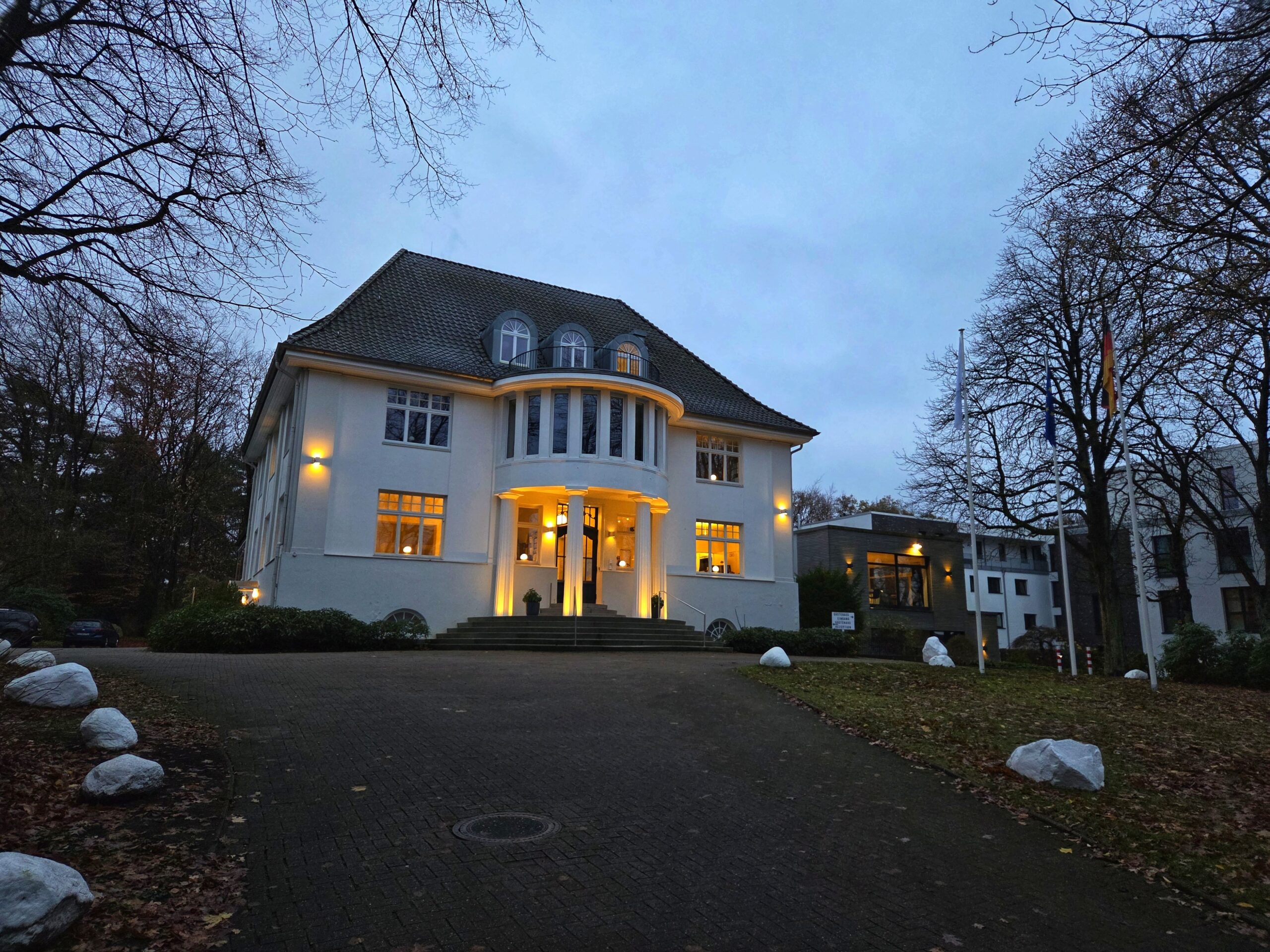
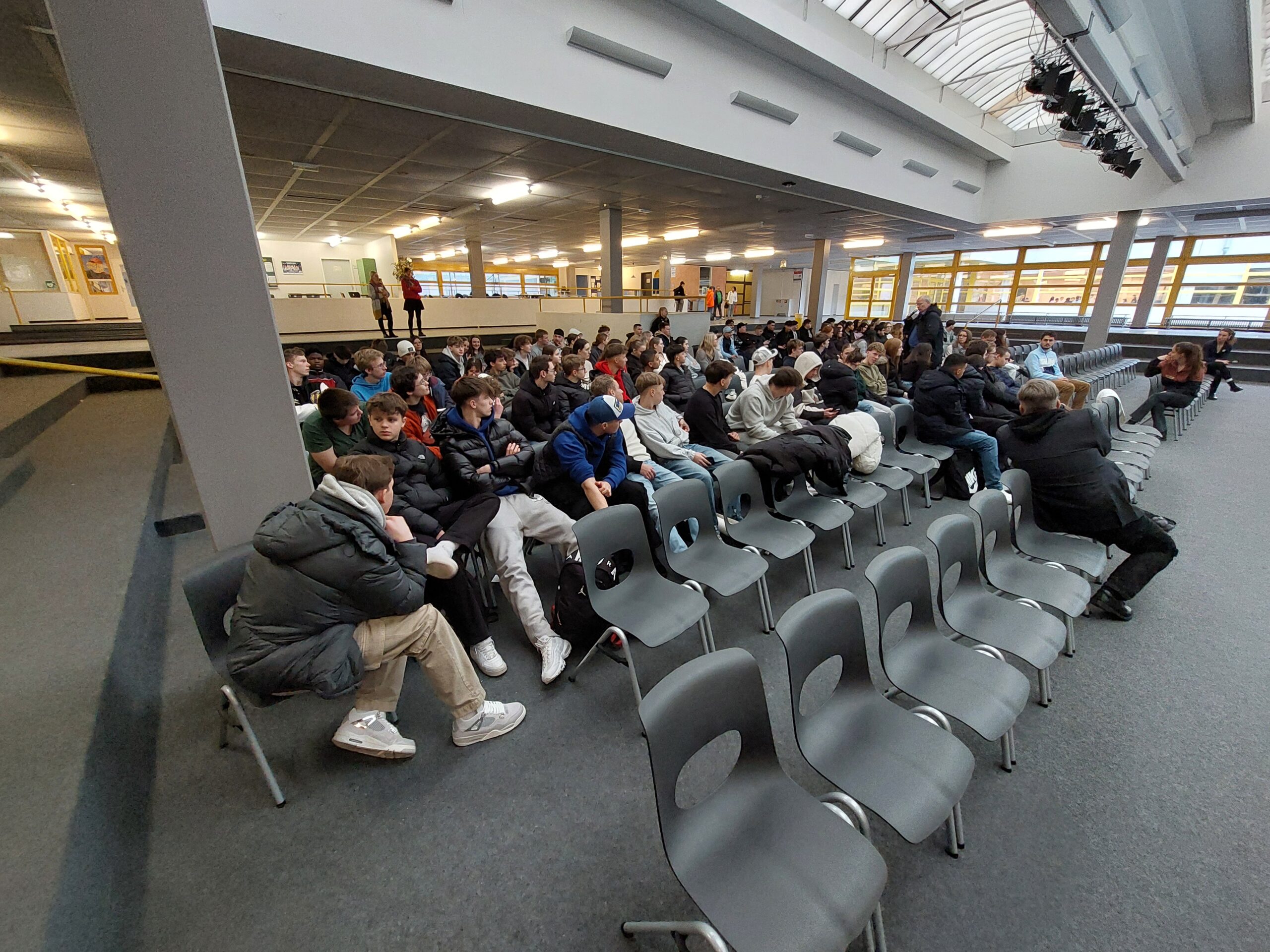
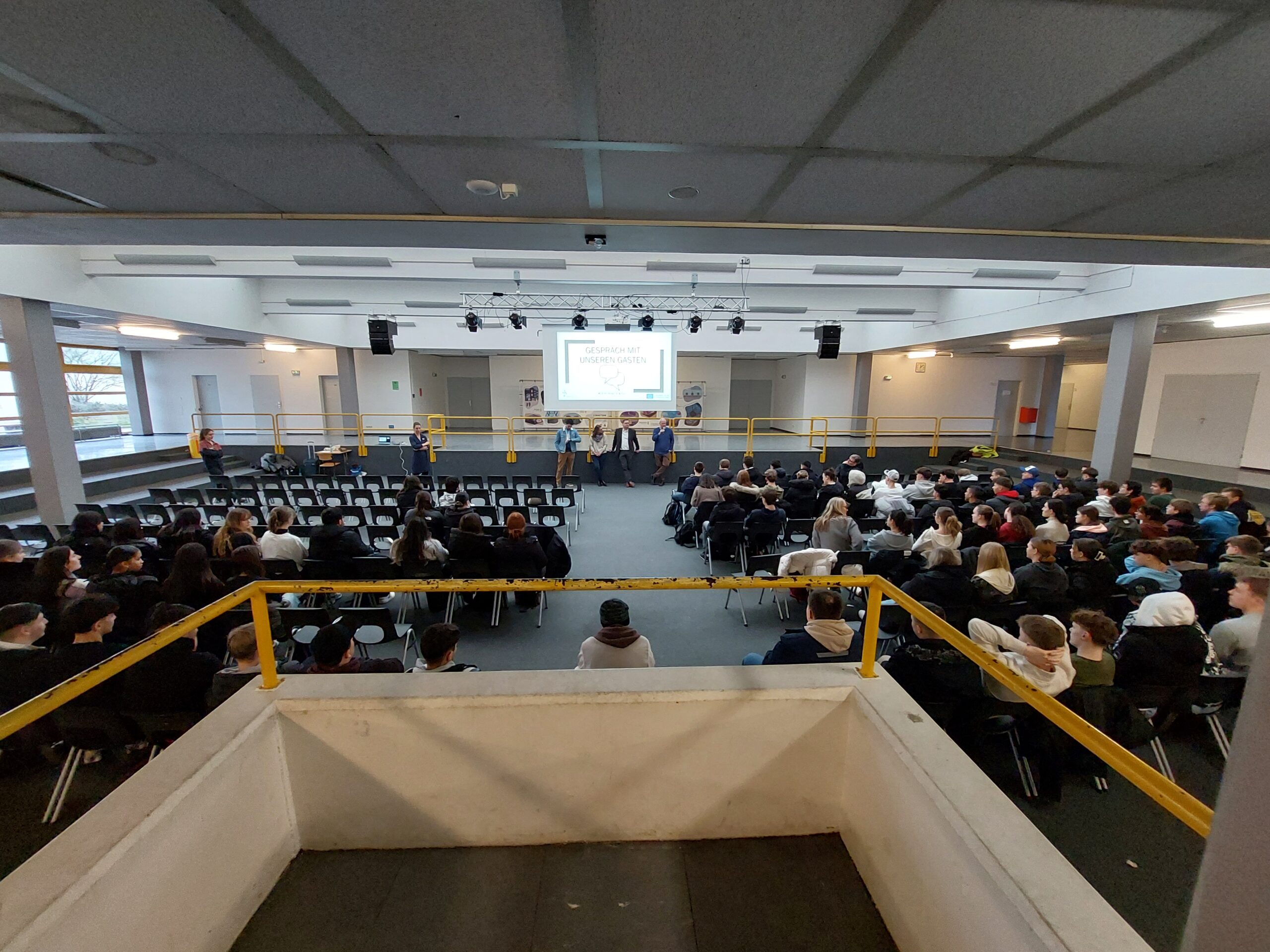
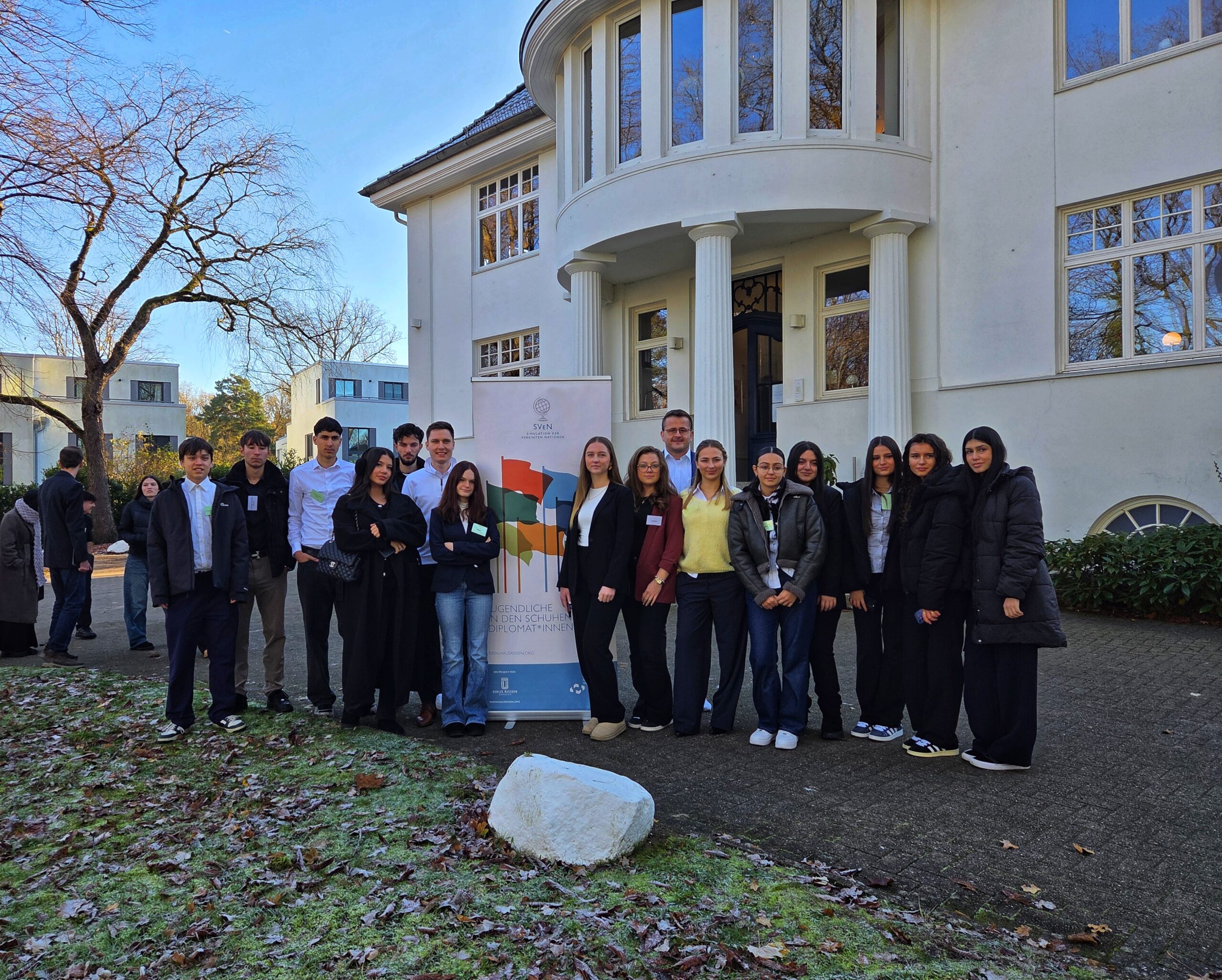
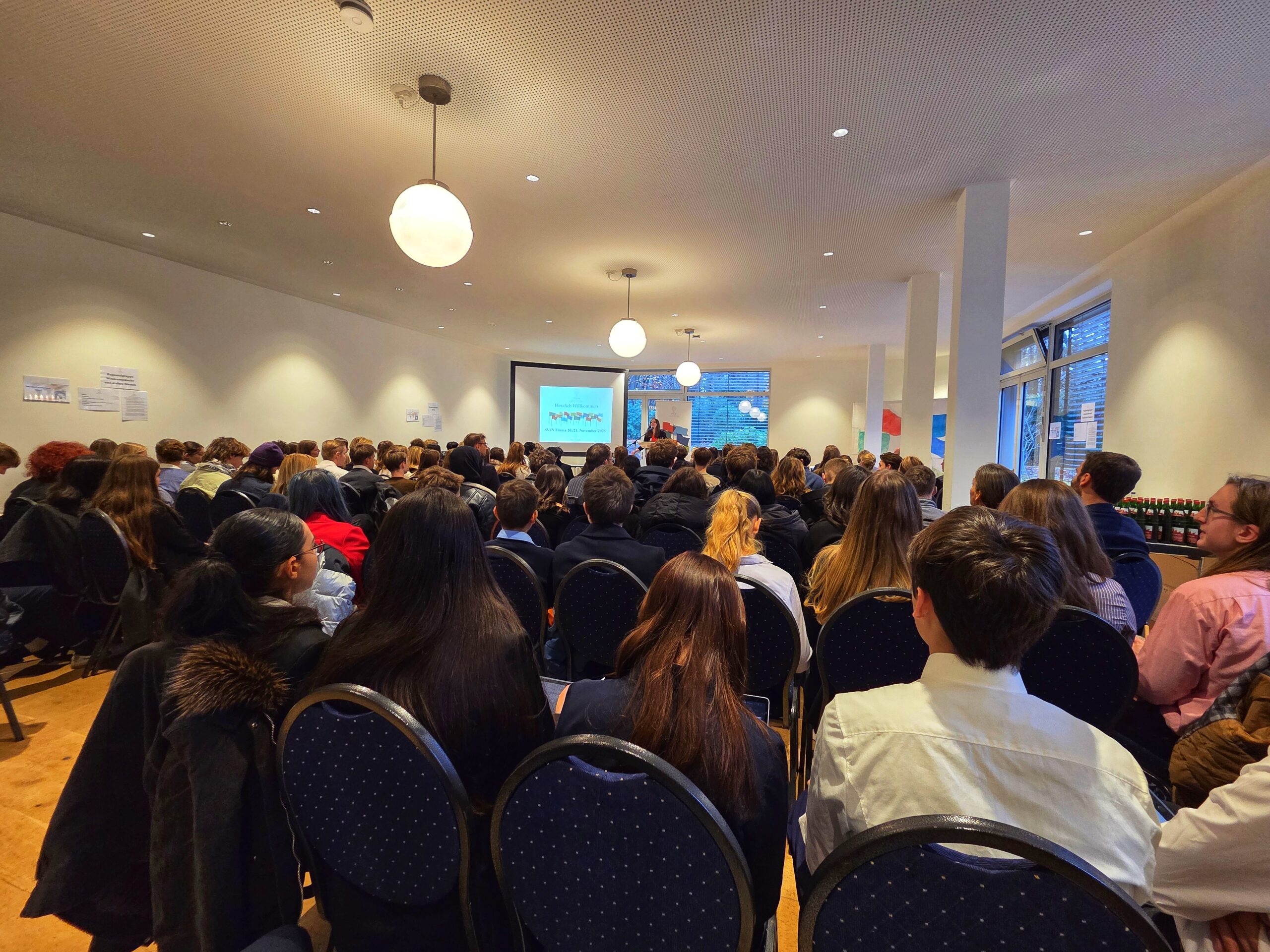
Between crises and compromises – our students at the SVeN at Haus Rissen. On 20 and 21 November, it was that time again: a team of dedicated students from our school, accompanied by our teachers Maximillian von Holten and Michael Schmitt, once again took part in the SVeN – Simulation of the United Nations at Haus Rissen in Hamburg. For many, it was not just a simulation game, but a journey into new political worlds – with heated debates, unexpected alliances and a good dose of emotion.

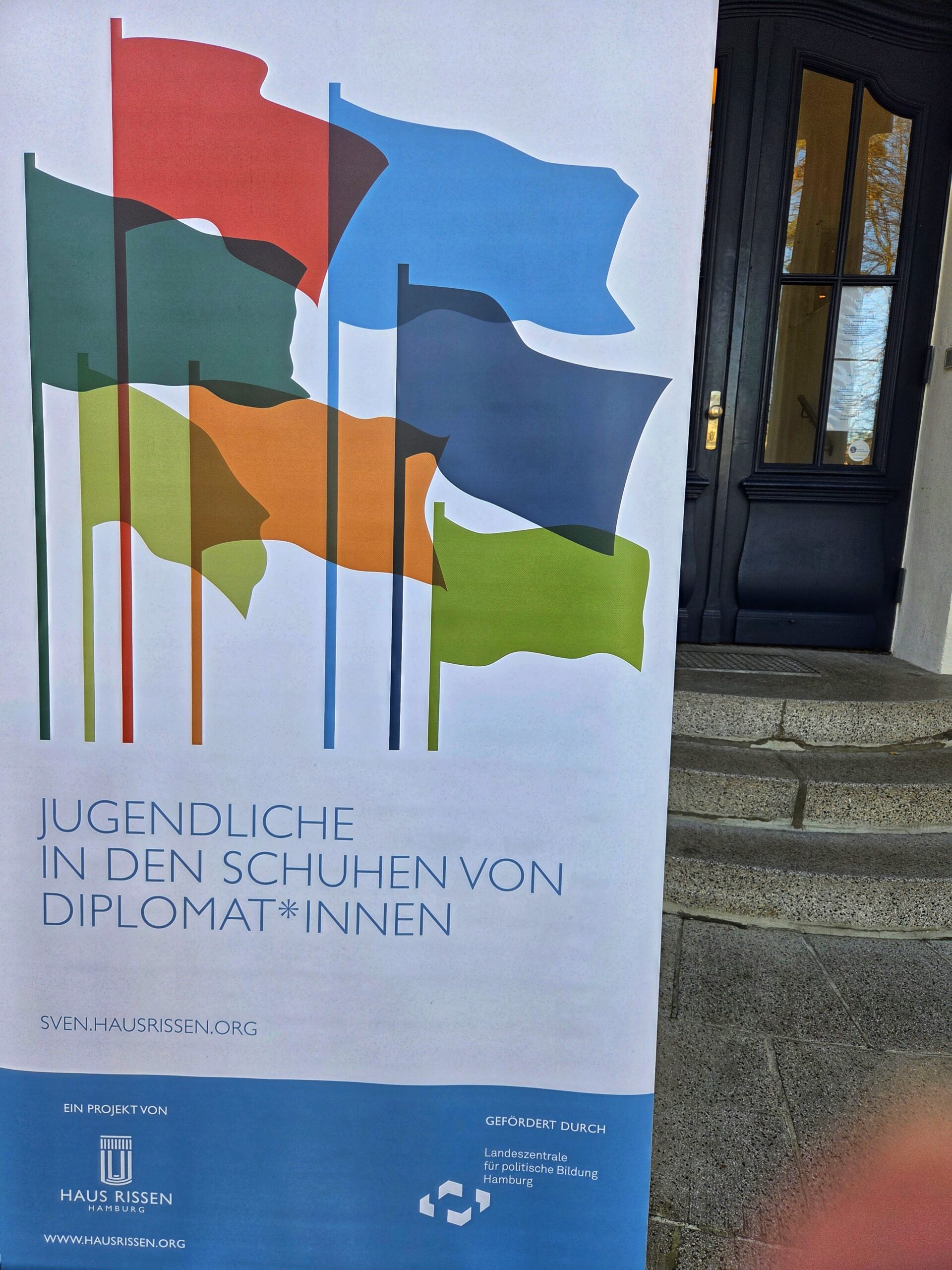
What exactly is SVeN? SVeN stands for Simulation of the United Nations. It is run by HAUS RISSEN, an independent political education institute in Hamburg. Young people aged 15 and above are invited to take on the roles of UN delegates and simulate real UN bodies – specifically the Human Rights Council and the Economic and Social Council.
The project is financed entirely by donations and third-party funds, so participation is free of charge for the students. SVeN is led by a highly professional team that works with realistic rules of procedure based on the actual rules of procedure of the United Nations.

Preparation and procedure. Our group prepared intensively in the days leading up to the simulation – with position papers, negotiation strategies and speeches. On the simulation days themselves, the delegates negotiated issues relating to children's rights, such as girls' rights and compulsory education – just as they would at real UN conferences.

‘In a very short time, my self-confidence has grown enormously thanks to my role as a delegate.’ – This is how one student aptly summed up her experience.

‘You learn how democracy happens not only in the classroom, but also internationally – it gave me goosebumps.’ – A quote that shows the emotional depth of the simulation.

‘It was incredible to see how our delegations built a coalition – in the end, they had formulated genuine compromises that they could be proud of. For me, SVeN is an absolute highlight of the school year – this kind of learning cannot be replaced by mere lectures.’

The participants are overwhelmingly enthusiastic: engaging with other perspectives, strategic negotiation and creative approaches to complex issues not only promote political knowledge, but also personal development. The above quotes show that SVeN inspires, encourages and challenges!

A look at the big picture. The value of the project is also demonstrated by the external support it receives: SVeN is under the patronage of Katharina Fegebank, the Deputy Mayor of Hamburg. And the political and educational benefits are also enormous: according to the State Agency for Political Education, SVeN strengthens democratic skills such as communication, compromise and self-efficacy.

A rich conclusion – with humour and heart. The simulation is much more than a role-playing game: for our students, it was an emotional rollercoaster ride. Between heated debates about girls' rights, motions, speaking breaks and unexpected alliances, they not only learned to formulate arguments – they learned to listen, build bridges and take responsibility.

And by the way: some of us enjoyed the negotiations so much that they joked, ‘Becoming a diplomat is cool – but please let's not have to pass resolutions all the time!’

For our school community, one thing is certain: SVeN is a great opportunity – and we are already looking forward to the next round!
EUROPEAN SCHOOL!

June 12, 2025. - A special day at Bremen City Hall! - Today the time had finally come: together with pupils, parents' representatives, colleagues and our school management, we were able to receive our European School certificate at a celebratory event in Bremen Town Hall!

What began in March with the visit of the expert commission has now come to a crowning conclusion. Our commitment to European values, international cooperation, intercultural learning and lively school partnerships has been recognized - and that fills us with great pride!

A big thank you to our European School Representative, Dr. Angela Hoffmann, who has always kept an overview and pulled all the strings - as well as to all those who have contributed over the past years to our school being able to follow this path today - through projects, exchange programs, teaching concepts and personal commitment. This would not have been possible without you!

Particularly impressive was the festive setting with great presentations by the other award-winning Bremen schools: Gymnasium Horn, Gerhard-Rohlfs-Oberschule, Altes Gymnasium and Helmut Schmidt Schule.
Congratulations to all of you on your (re-)certification as a European School! Together we are bringing Europe to life in our schools!

School partnership with Krakow

As part of the third joint project week in Krakow, the upper secondary school of the Carl von Ossietzky Gymnasium Bremerhaven concluded an official school partnership with the Zespół Szkół Elektrycznych nr 1 (ZSEL1) in Krakow, Poland. The partnership agreement was signed during the exchange, which took place from 26 to 31 May 2025 as part of the Erasmus+ program.
The aim of this cooperation is to promote the values of tolerance, human dignity and mutual understanding and to work together on European projects. The partnership creates space for a lively, intercultural exchange between pupils and teachers from both schools and stands for a peaceful and democratic Europe.
We are very much looking forward to working with our Polish friends in the future and look back with gratitude on the three encounters so far, during which we have always greatly appreciated the warm hospitality of our partner school. - We look forward to many exciting projects in the future!

Further impressions of the current project week at:
🔗 https://erasmus.cvo-gyo.de/en/2025/05/31/greetings-from-krakow/

Impressions of previous project weeks at:
🔗 https://erasmus.cvo-gyo.de/en/our-projects/learning-from-the-past-for-the-future/
🔗 https://erasmus.cvo-gyo.de/en/our-projects/2400-2/

2nd meeting of the EUrope AG

03.12.2024. The second meeting of our EUropa AG took place yesterday. After a brief review of the founding meeting in mid-September, one group dealt with the application documents and the registration procedure for Erasmus student mobilities, which we want to implement immediately for subsequent trips. Another group worked on project ideas for activities in our school and as part of Europe Week in the state of Bremen - as well as for participation in competitions such as ‘Europe? But safe!’ and “Act democratically”. In the coming weeks, another group will also be working on the logo for our working group. The next meeting will take place in 2025, invitation will follow soon!

Schule:Global network meeting

Schule:Global network meeting

27.11.2024. We were in Bonn for this year's Schule:Global network meeting from 25 to 26 November. In addition to many exciting impulses and a lot of input as well as collegial exchange, we were able to enrich the meeting with a best-practice presentation on our ‘Demokratier’ - a project that we carried out for the first time this summer with our current learning groups of the E phase under the leadership of our colleague Nele Schirrmacher ... and a project that was very inspiring! 🙂

Simulation of the United Nations 2024

22.11.2024.  20 students from the E-phase, accompanied by Ms. Engel and Mr. Schmitt, were in Hamburg from November 13th to 15th to participate in a two-day simulation of the United Nations.
This simulation was organized by HAUS RISSEN, a non-partisan non-profit institute. In this simulation, young people slip into the role of delegates from various countries as realistically as possible and represent their country's position in joint diplomatic negotiations.
In the Human Rights Council and the Economic and Social Council, we represented five out of 34 countries (Chile, Japan, the Czech Republic, the United Kingdom, and Nigeria) to fight for girls' rights and the right to education for all.
In addition to us, students from the following Hamburg schools participated: Brecht-Schule, Bugenhagenschule, Jenisch-Gymnasium, STS Bergedorf, and STS Poppenbüttel.

It was a very intense time, but it was also great to see how we grew together as a group. We faced the challenges and grew a lot!

EUrope AG

17.09.2024. The first meeting of our newly founded EUropa AG took place yesterday. After a brief round of introductions (why & what for), we discussed our plans and drew up our first concrete plans (co-creating, living, receiving, developing, enabling). We would like to thank the people who attended and who all want to come again. The next meeting will take place after the autumn holidays. Invitation will follow soon!

Travelling exhibition ‘EU on tour’

01.05.2024. We are very happy that we were able to host the travelling exhibition ‘EU on tour’ of the European Parliament's Liaison Office in Germany over the last ten days - see also: https://www.eu-on-tour.eu/.
This travelling exhibition provided us with extensive information on the upcoming election, insights into the work of the European Parliament and an overview of existing participation formats and further offers - and was therefore a complete success!
The aim was to sensitise our first-time and young voters aged 16 and over in particular to the importance of the European elections and to motivate them to exercise their right to vote.

We would also like to take this opportunity to thank the European Parliament's liaison office in Germany for this wonderful opportunity.

“Democracy & You”

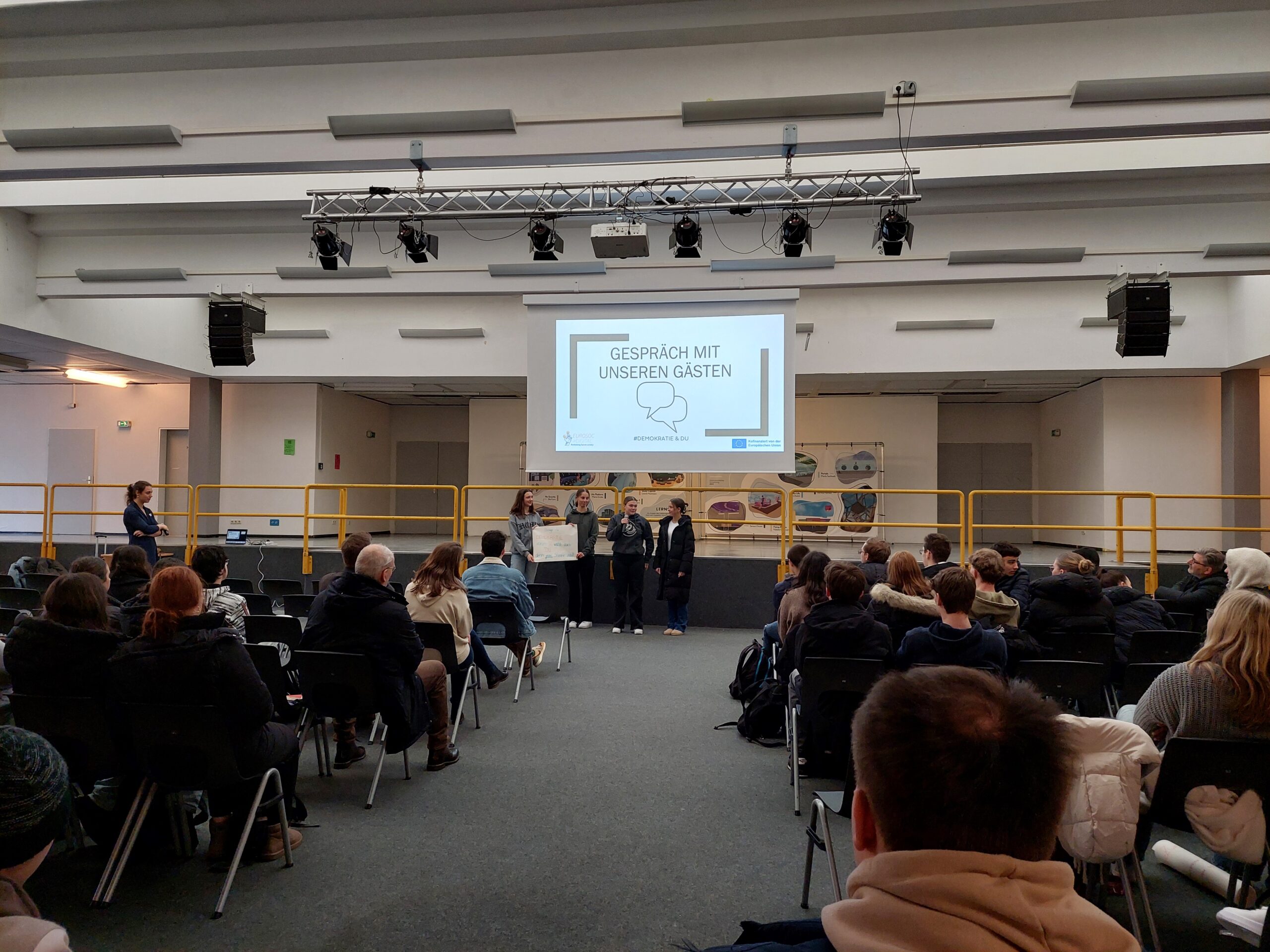
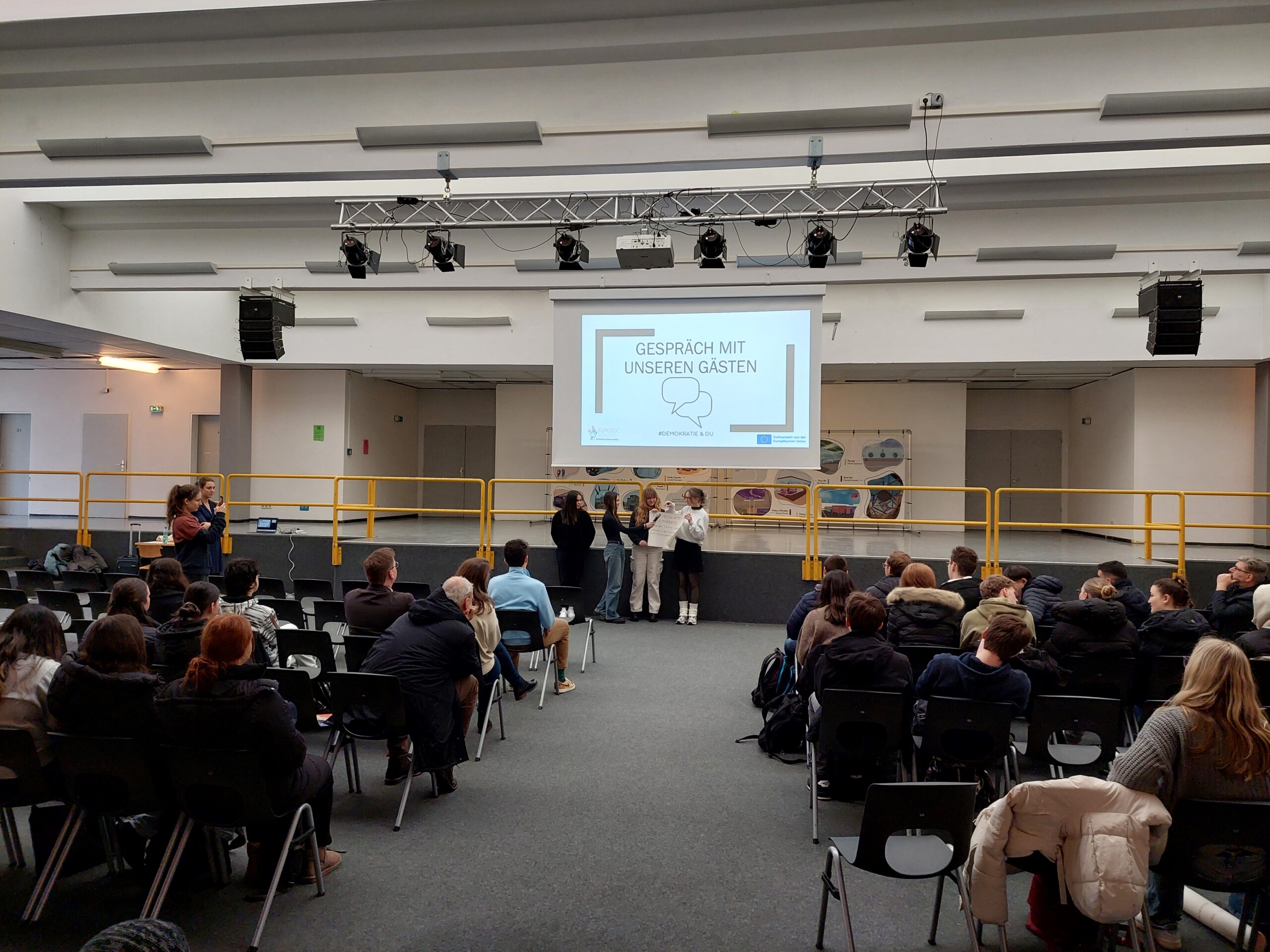
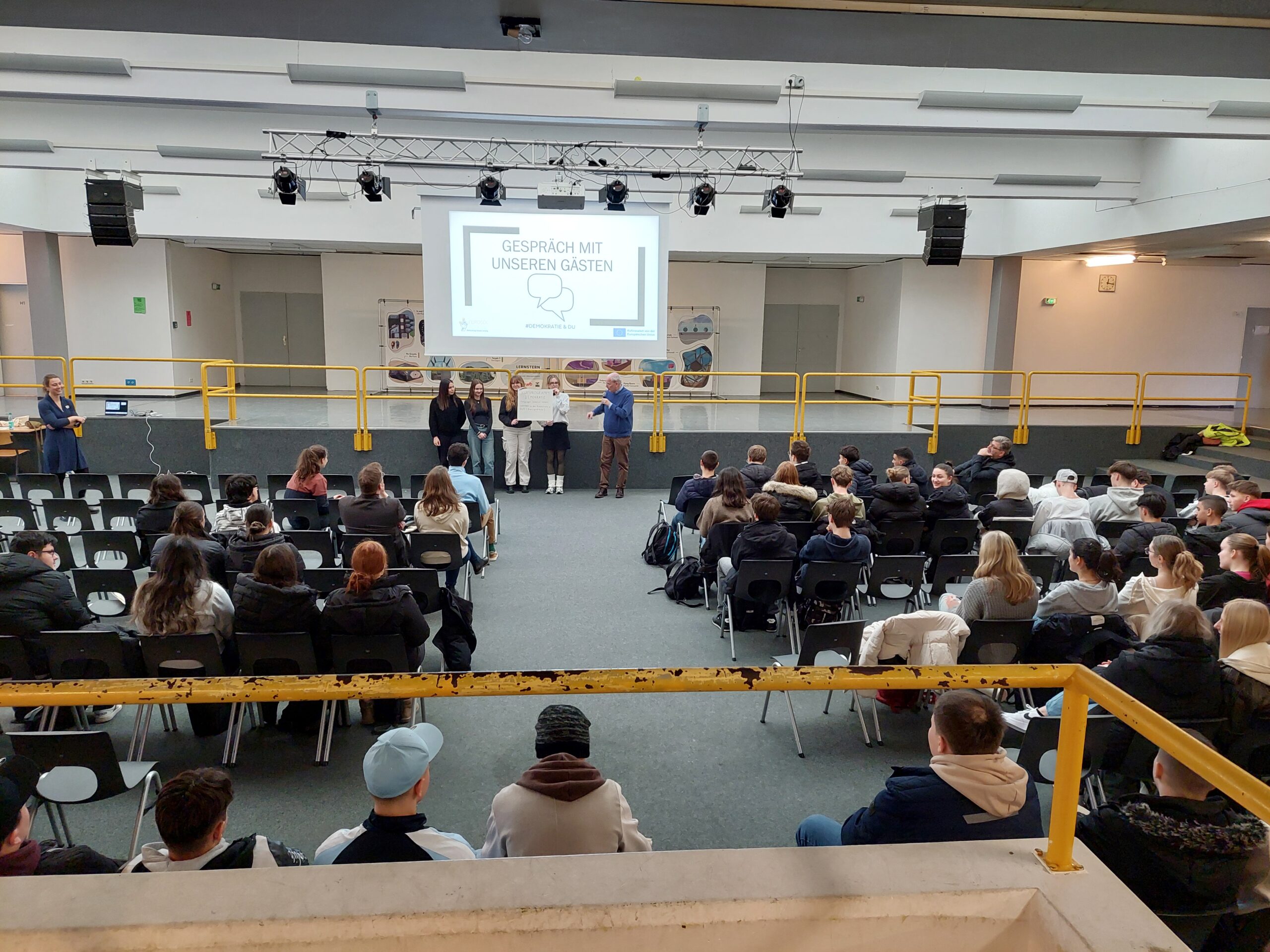
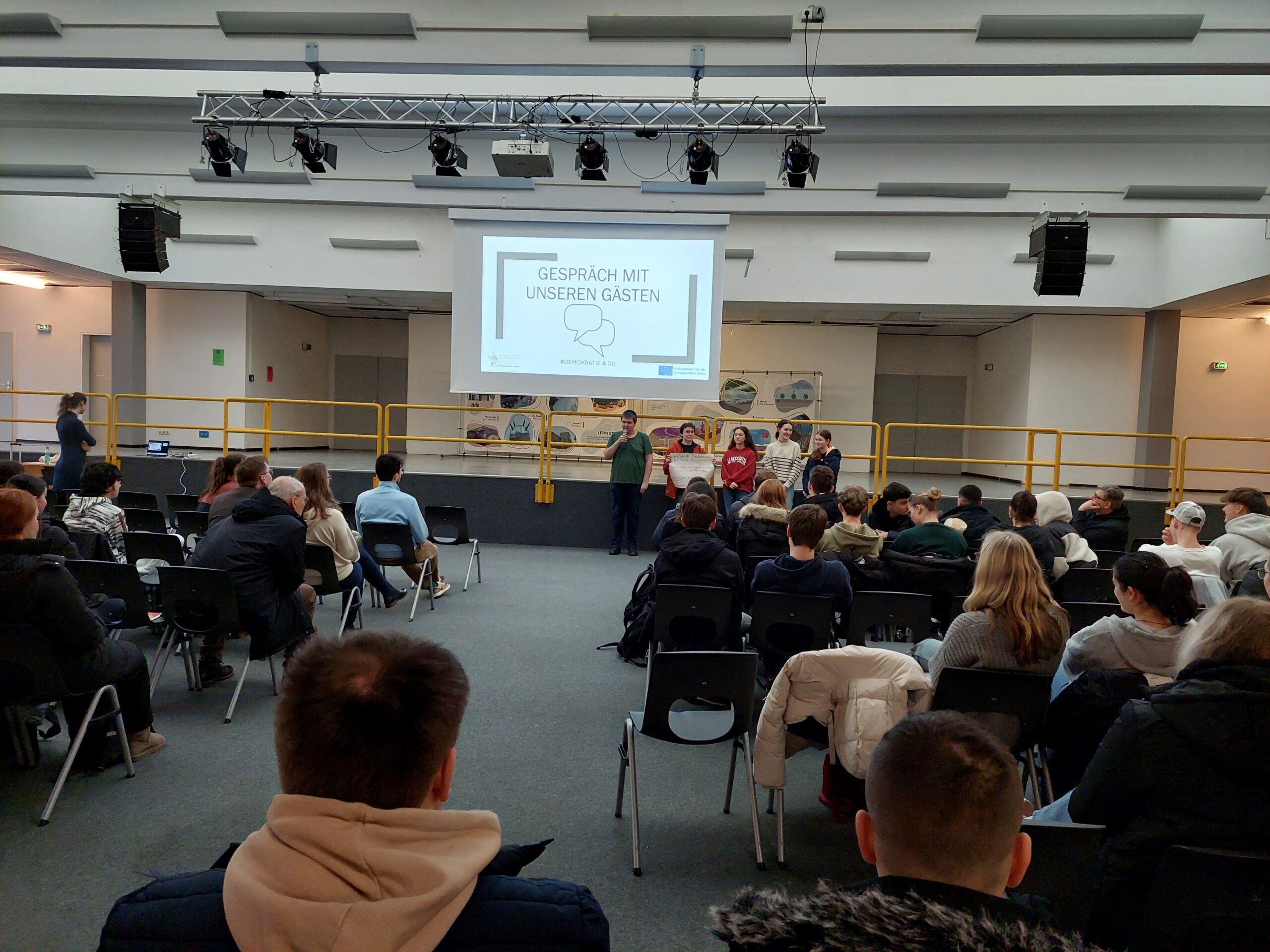
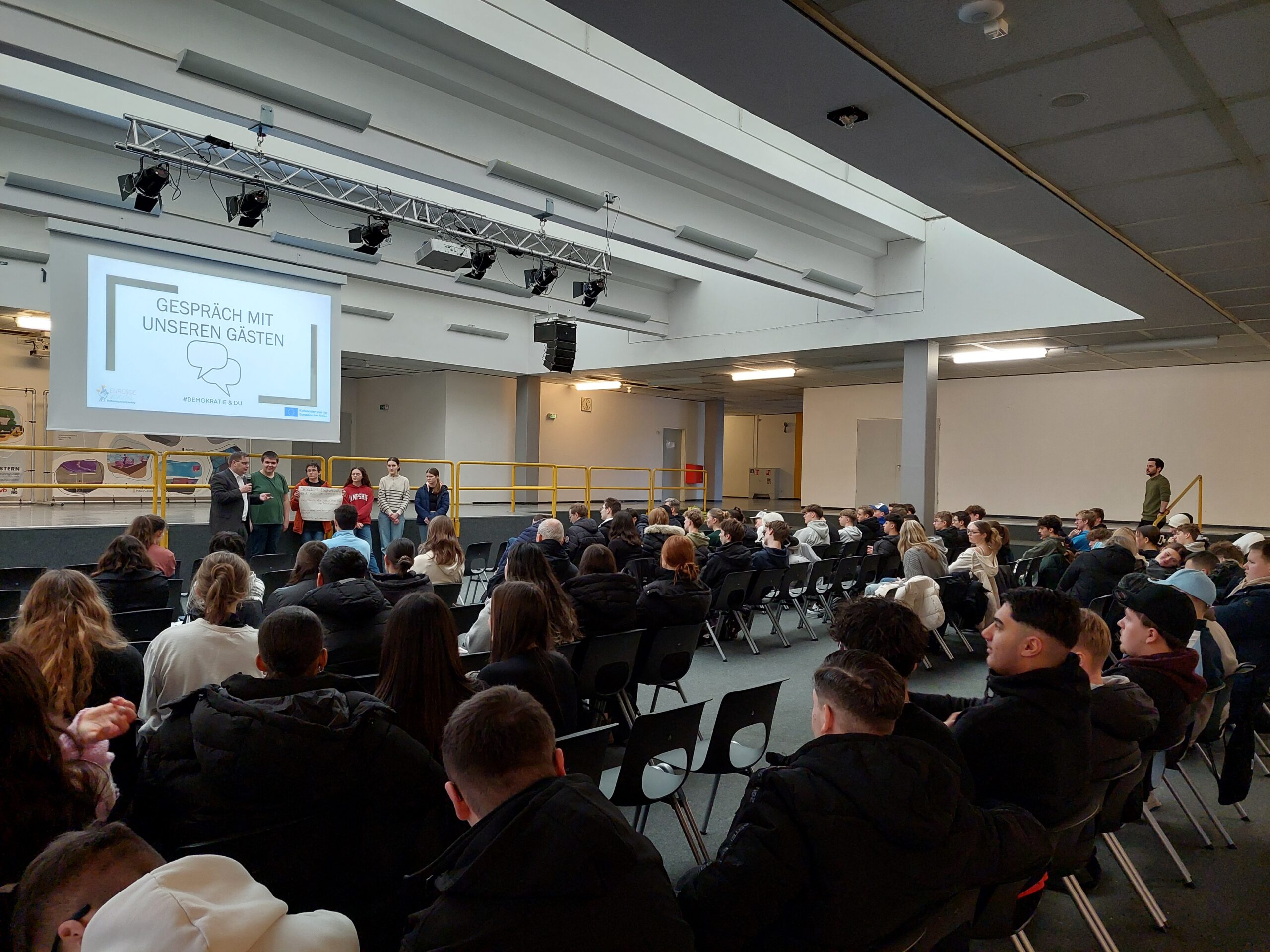
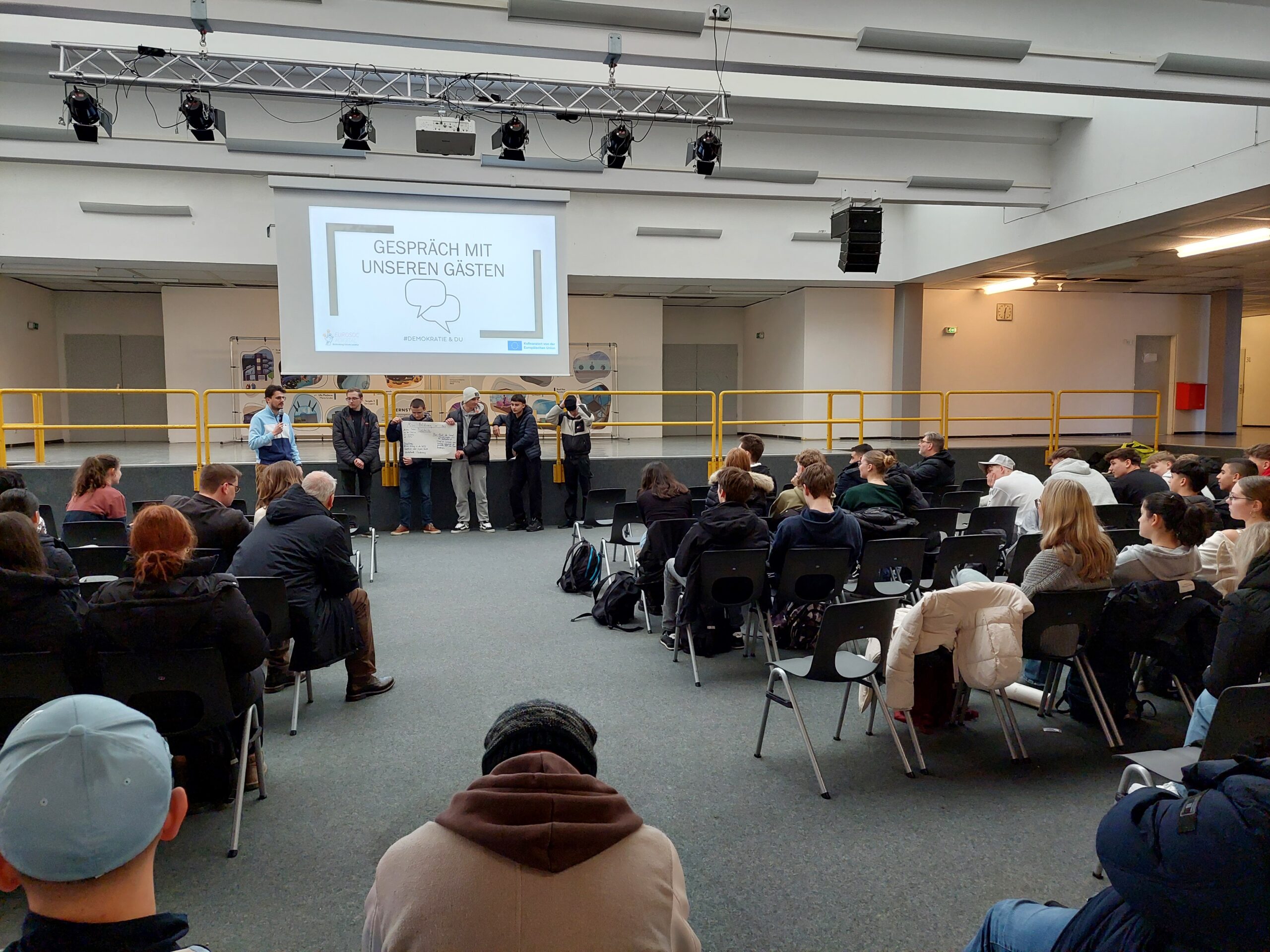
25.01.2024. Yesterday, pupils from four learning groups took part in the "#Democracy & You" project day (organised by EUROSOC#DIGITAL from Berlin).
With the help of engaging and activating methods, the first aim was to educate students about democracy and to strengthen their understanding of and trust in our political system. Afterwards, the participants developed their own fields of action and opportunities for participation and presented and discussed campaigns to the plenum. The representatives of the Bremerhaven City Council who were present also provided a very nice framework for this round of discussions.

We would like to thank the EUROSOC#DIGITAL team from Berlin - consisting of Mareike Meyer, Charlotte Klosterberg, Sina Oesterling and Janosch Ptassek - and the members of the Bremerhaven City Council Astrid Milch, Sönke Allers, Mirko Miholic and Claudius Kaminiarz for this all-round successful event as well as the two representatives of the Youth Parliament and our Head of Schools Michael Frost for their words of welcome.

Teacher

We conducted an interview with one of our school's teachers as part of our project "Building a Democratic School Culture", which we carried out under the European Union Programme for Education, Youth and Sport.

First of all, we would like to thank Mr Michael Schmitt for taking part in the interview.

How did you feel about the fact that a project on "Building a democratic school culture" was carried out at your school? What do you think about this topic?

Democracy is our greatest asset. Therefore, this project was a wonderful opportunity for our school to reflect on the topic and to work with European partners and now friends on selected issues. Through a successful evaluation, it was possible for us to take up new impulses.

You have been working at this school for five years. In total, you have been a teacher for seven years. Considering the many years you have spent in education, can you say something about the shortcomings you see or feel in terms of democracy in the institutions you teach?

The structures of German schools provide for the democratic participation of teachers, children and parents in decision-making processes. The challenge is to recruit pupils and parent representatives and also to motivate teachers to participate constructively.

What tasks do you think teachers should take on in a democratic school?

Social developments in the last decade, such as the rise of right-wing populist currents, the increase in agitation, insults and fake news in public discourse, religious extremism and the increasing willingness of certain groups to use violence at demonstrations raise the question of whether the democratic culture and democracy as a democracy as a form of government (not only in Germany) are in danger. In the school system, we teachers play an important role as key players - as we are jointly responsible for teaching key democratic competences.

By this term I mean competences that are necessary to participate in democracy as a way of life and to actively shape it in community with other to actively shape it in community with other people, to commit oneself to a democratic form of society and to help shape it through participation and involvement.

Are you involved in the decision-making processes at school? If yes, do you consider this sufficient? If you are not involved in such a mechanism, do you consider this a shortcoming? If you were part of this formation, what would it bring to you and its democratic culture?

By all means! - As a voting member of both the general and school conferences, I am jointly responsible for school development, the budget and study trips, for example.

Can you create a suitable democratic environment for your students in class? Can you explain this with an example?

There are, of course, subjects such as politics that are more suitable for discussing concrete questions and topics regarding democracy in class. Possible questions could be: What is democracy? When does democracy work? Where is democracy heading? How democratic is the internet?

Ultimately, however, it is the task of every classroom and thus of every teacher, quite independently of subject content, to work towards proactive democracy-building. A simple and best example of grassroots democracy is the election of class representatives (or course representatives) at the beginning of the school year.

What do you think school governance should look like in an institution with a democratic school culture?

For me, a democratic school culture includes democratic design, discussion and dispute culture. Organisational and administrative processes should be managed according to the principles of participation, delegation and transparency.

Who do you think has the leading role in creating a democratic school culture? The central government, the local government or the school management?

The legal framework is set by politics in the form of the School Administration Act. For a successful implementation, all members of the school family are important. Only when everyone is pulling in the same direction can it be right and productive.

Do you think that this and similar projects contribute to creating a democratic school culture?

Absolutely! A very good way to establish a democratic standard in schools across Europe.

We would like to thank our guest Mr. Michael Schmitt for participating in our interview and for sharing her feelings and thoughts with us.