Category Archives: Our diary

Ferragudo, the first!

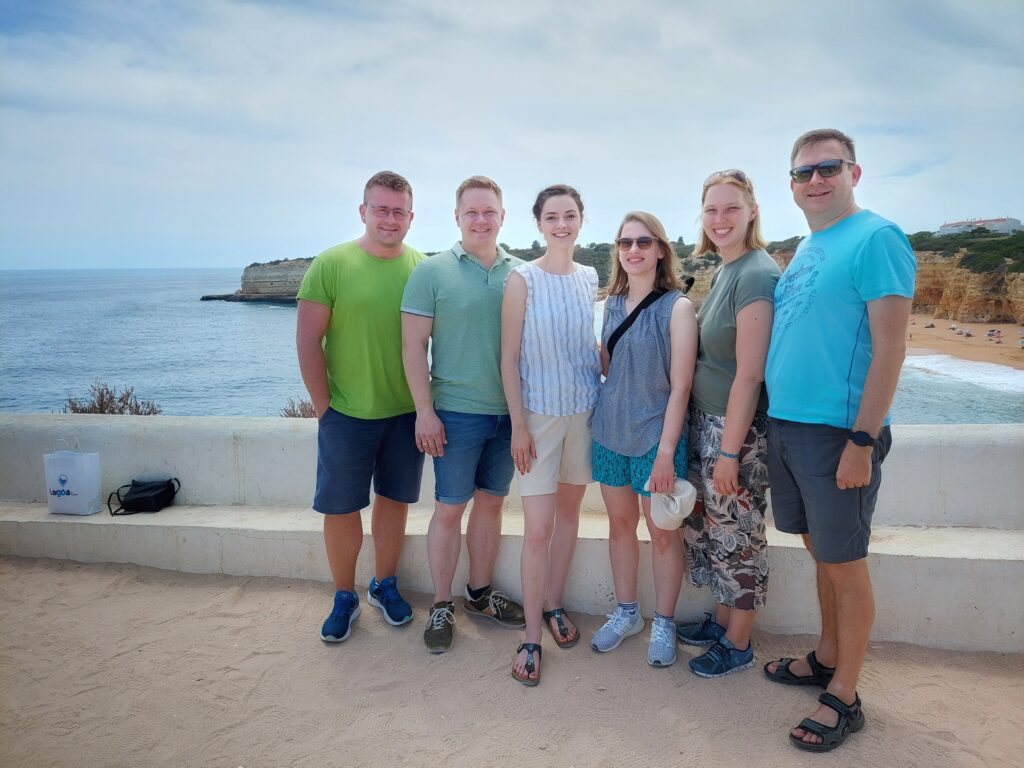
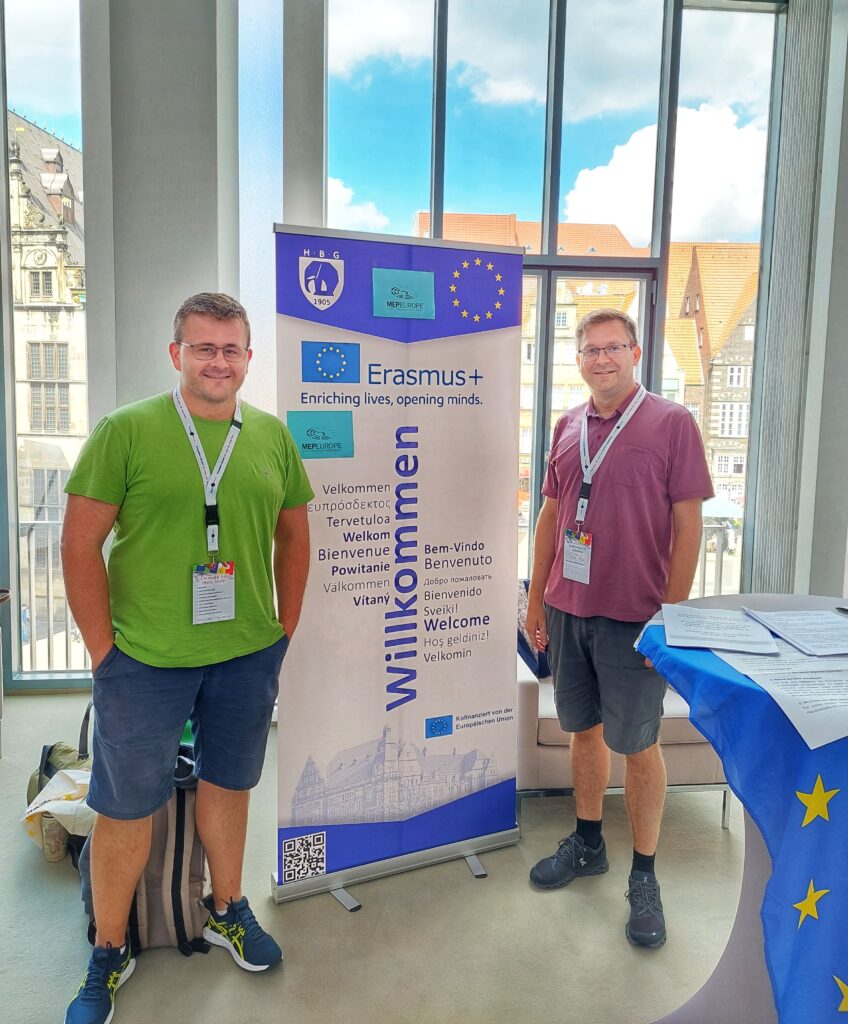
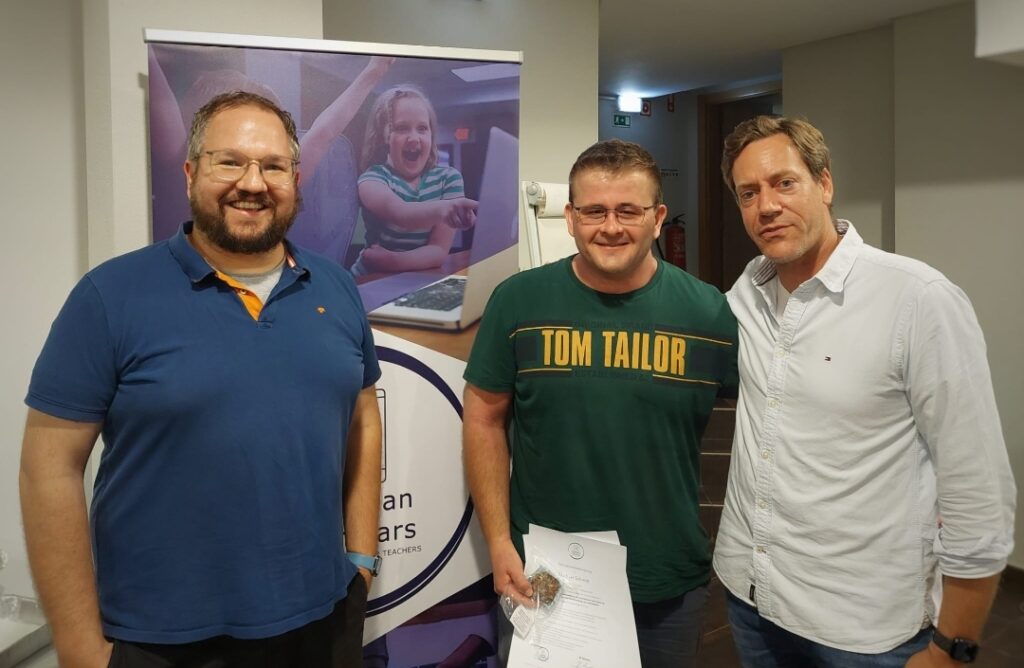
11.07.2022. Best regards from our team in Portugal for the Erasmus+ training "Digital Media in Intercultural Projects - Management & Networking.

Training content

  • Definition of project work in the framework of European exchanges with learners
  • Development of exchange projects with learners and school projects
  • Preparation and organization of exchange projects with learners
  • Consideration of different languages and cultures in project work
  • Digitality in Erasmus projects
  • Devices and apps in use
  • Project ideas with digital media
  • Dissemination of projects to the (school) public
  • Equipping intercultural projects with digital media
  • Making the seminar public at school: Digital and analog possibilities

How it all began!

The original impulse came from the former Oberschulrat, Mr Stephan Rademacher. He had taken it upon himself to give Bremerhaven's schools a more European orientation. After our headmaster Ingo Beck was convinced of the concept and idea during an Erasmus+ training course in Malta, also through the support of Stephan Rademacher, the process was initiated! 🙂

"Europe is important to me because only together can we all answer the important questions of the future."
(Mr Stephan Rademacher)

Thessaloniki

16.10.2022. We have worked here on site within the framework of a strategic school partnership with five European partner schools on selected issues regarding the basic principles of the project schools in the sense of a democratic school as well as the rights, duties and tasks of those involved in school life. As a final project result, a common constitutional order of a "school with a democratic school culture" was created.
We had a wonderful time in Thessaloniki and visited friends from Madeira (Portugal), Torbali (Turkey) and Viterbo (Italy)!
Now we are about to create a small magazine and the final report before we will start more projects! 🙂

Viterbo

02.05.2022. We are working here on site within the framework of a strategic school partnership with five European partner schools on selected issues regarding the basic principles of the project schools in the sense of a democratic school as well as the rights, duties and tasks of those involved in school life. Best regards from Viterbo! 🙂

Source:
Reference to https://www.cvo-gyo.de/blog/erasmus.

Bremerhaven

08.03.2022. Between February 21 and 25, 2022 we hosted the third mobility of the joint project "Building a Democratic School Culture" in the framework of a strategic school partnership.
We welcomed friends from Thessaloniki (Greece), Funchal (Portugal), Viterbo (Italy) and Torbali (Turkey) (two teachers and two students per partner).
At the beginning of the joint working week, there were impulse presentations from the individual project countries regarding the basic principles and administrative structures of the project schools as well as the rights, duties and tasks of those involved in school life.
This was followed by group work in which the students, teachers, school administrators and parents dealt with selected tasks. Among others, the following topics were worked on:

  • "What should be the duties and responsibilities of teachers in a democratic school?"
  • "What should school leadership be like in a democratic school?"
  • "What should be the duties and responsibilities of a student in a democratic school?"
  • "What should be the duties and responsibilities of parents in a democratic school?"
  • "What duties and responsibilities should school administrators have in a democratic school?"

After the results of each group were presented, we summarized the defined duties and responsibilities in a statement.

It was a wonderful time and we are really looking forward to visiting our Italian friends in Viterbo in May! 🙂

Madeira

Period: 08 - 12 November 2021
Topic: Teacher competencies in a democratic school

Contents:

  1. Teachers´ view of democratic schools and difficulties encountered in democratization of schools: the partner countries in comparison
  2. Evaluation of teachers´ view of democratic schools and difficulties encountered in democratization of schools in Germany, Greece, Italy, Portugal and Turkey
  3. Suggestions on the qualifications of teachers to build a democratic school culture and the development of these competencies